
Community Information
The County offers residents a relaxed, yet vibrant, lifestyle as a result of both urban and rural influences. Two major centres — Vegreville in the west and Mannville in the east — and the smaller communities spread throughout the County ensure an availability of supplies and services.
Services are geared to all age groups, including day care for young children, clubs for boys and girls, continuing education for adults and a network of drop-in centres for seniors.
In addition, the County of Minburn’s excellent leisure facilities attract sports tournaments throughout the year. The facilities encourage family participation and allow for year-round recreation programs. In addition to organized recreation, the County offers a diverse outdoor experience at its campgrounds, picnic sites and parks.
The County is part of the Go East of Edmonton tourist zone. Visitors will find a wide range of tourist and recreational opportunities in the area.
Click button below to view the regional Newcomer Welcome Package:
.png)
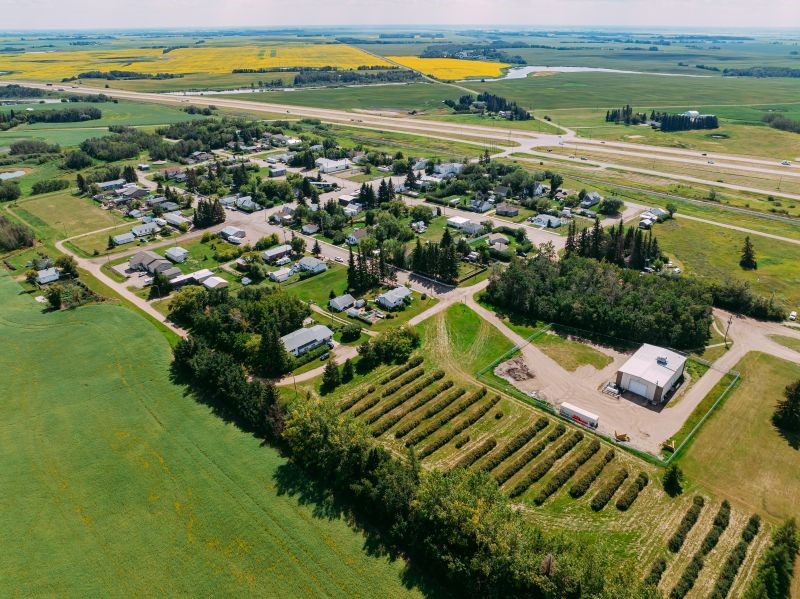
Hamlet of Lavoy
Lavoy is located approximately 14 km east of Vegreville on the Trans Canada Highway 16. This peaceful community offers an active community hall with playground, and businesses including the Lavoy General Store and Garon Apiaries.
History:
Settlement in the Lavoy area began in 1899–1900 as early homesteaders arrived to establish new lives on the prairie. The community’s first post office opened on October 1, 1903, and Lavoy grew rapidly after the Canadian Northern Railway line was laid in 1905. With rail access in place, the area quickly became a hub for agriculture and rural commerce. Lavoy was briefly incorporated as a Village named Dinwoodie in 1906, named after its first postmaster, Richard Dinwoodie, who served from 1903 to 1906. On July 1, 1906, the community was renamed Lavoy, an Anglicized version of the name of early resident Joseph Lavoie, who lived in the village until 1910.
One of Lavoy’s earliest landmark buildings was the Palmer House, constructed in 1905 by Joseph Lavoie. This three-storey, 40‑room hotel changed ownership many times over the years. Around 1955, owner John Laschuk removed the top floor and undertook significant renovations to modernize the structure.
Education played a key role in Lavoy’s history. The community’s first school opened in 1907 in an upper floor of an old brick building, but was condemned shortly afterward. A new two‑room school was constructed in 1908, only to be lost to fire in 1919. Lavoy’s third school opened in 1920, with additional classroom space often found in the community hall or church when enrollment was high. A one‑room high school followed in 1946, and a larger modern school—complete with multiple classrooms and a gymnasium—was built in the mid‑1950s. The school was demolished and gymnasium converted to the municipal grader shop in 2009.
One of the first stores in Lavoy was built and operated by H.B. Hughes—currently the Lavoy General Store. Another general store, established by A.H. George, passed through the hands of several proprietors over time. The Hayward Lumber Company, operated by N.J. Mitchell, served the building and construction needs of the growing village. Lavoy’s first garage and service station was built by J.H. Tuck, located just south of the highway. Mr. Tuck also operated the community’s earliest electric plant. Banking services arrived in 1908 with the construction of a Royal Bank of Canada branch, originally located in a small building within the lumber yard. After two decades, the bank moved into the Ladies’ Beer Lounge at the hotel. For 43 years, the Royal Bank served as a cornerstone of local commerce, supporting farmers, families, and businesses throughout the region.
Several churches contributed to Lavoy’s cultural and spiritual life. Anglican services began in 1905, with the congregation meeting in several temporary locations—including the school—for a decade before their church was built in 1917. The First Baptist Church followed in 1907, the United Church in 1927, and the Ukrainian Catholic Church in 1953, the latter established in the former two‑room Kolomea School from Royal Park.
The Lavoy Community Hall, built in 1926, remains an important gathering place and was expanded in 1967 as part of Canada’s Centennial celebrations. The village also featured a curling rink, skating rink, tennis courts, and at one time, five grain elevators along with multiple livery barns—signs of a thriving agricultural center. A Notable Resident In 1920, Dr. and Mrs. Arthur moved from Vegreville to Lavoy. Dr. Arthur served the community in multiple capacities: as physician, druggist, postmaster, and even the operator of the local telephone switchboard—making him one of the most dedicated and versatile figures in Lavoy’s early history.
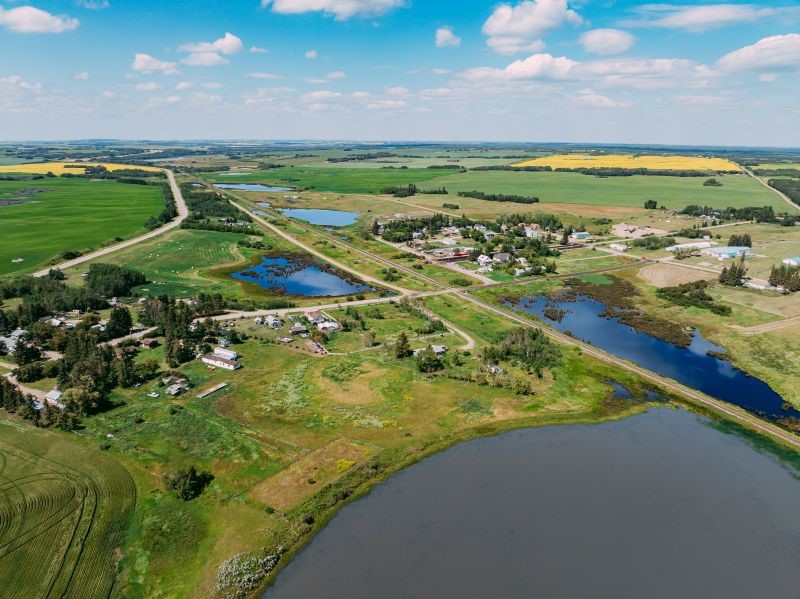
Hamlet of Ranfurly
_Web.jpg)
Hamlet of Minburn
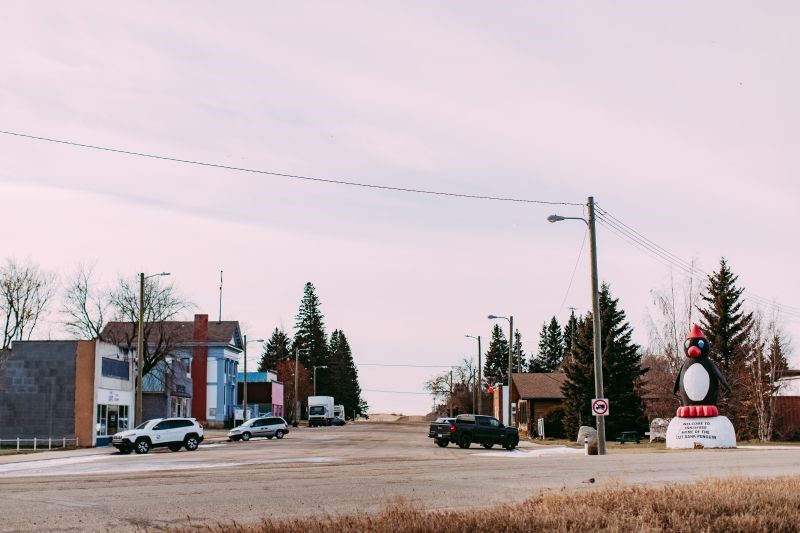
Village of Innisfree
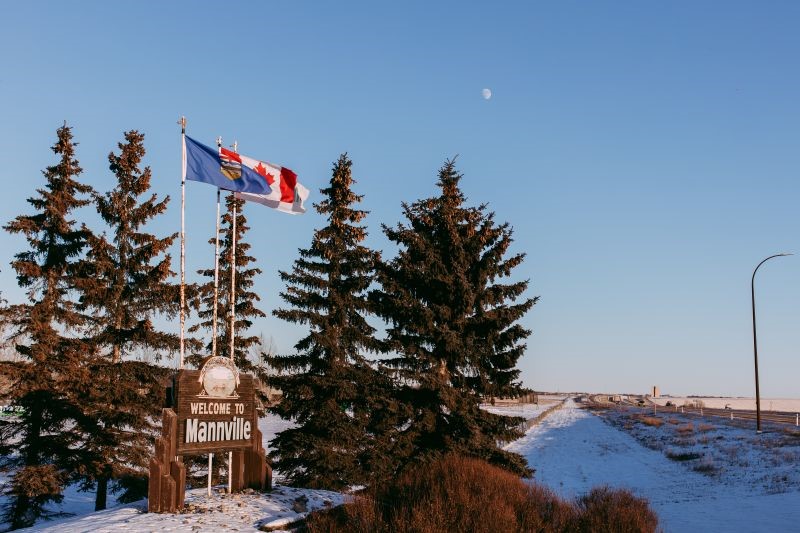
Village of Mannville
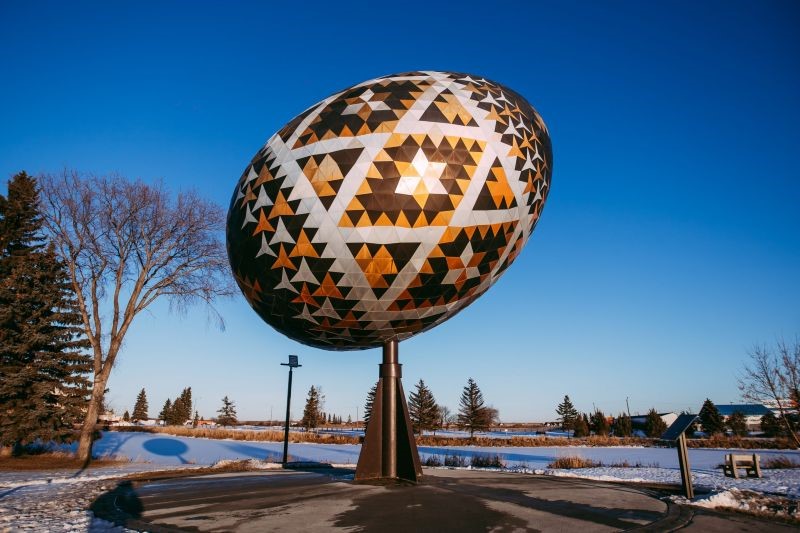
Town of Vegreville
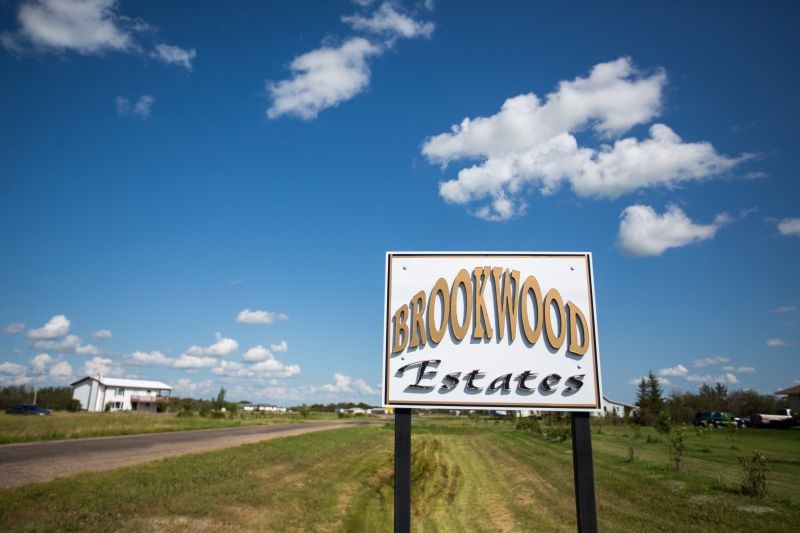
Subdivisions
Warwick – North of Vegreville
Inland – South West of Vegreville
Brookwood Estates – North East of Vegreville
Wapasu – East of Vegreville
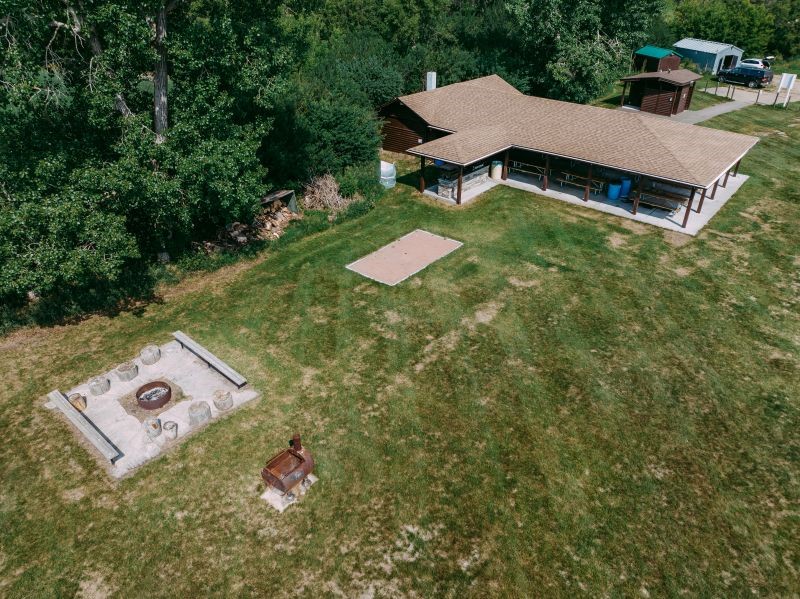
Community Facilities
Service clubs, agricultural societies and 15 community halls are centres of activity.